
Fencing
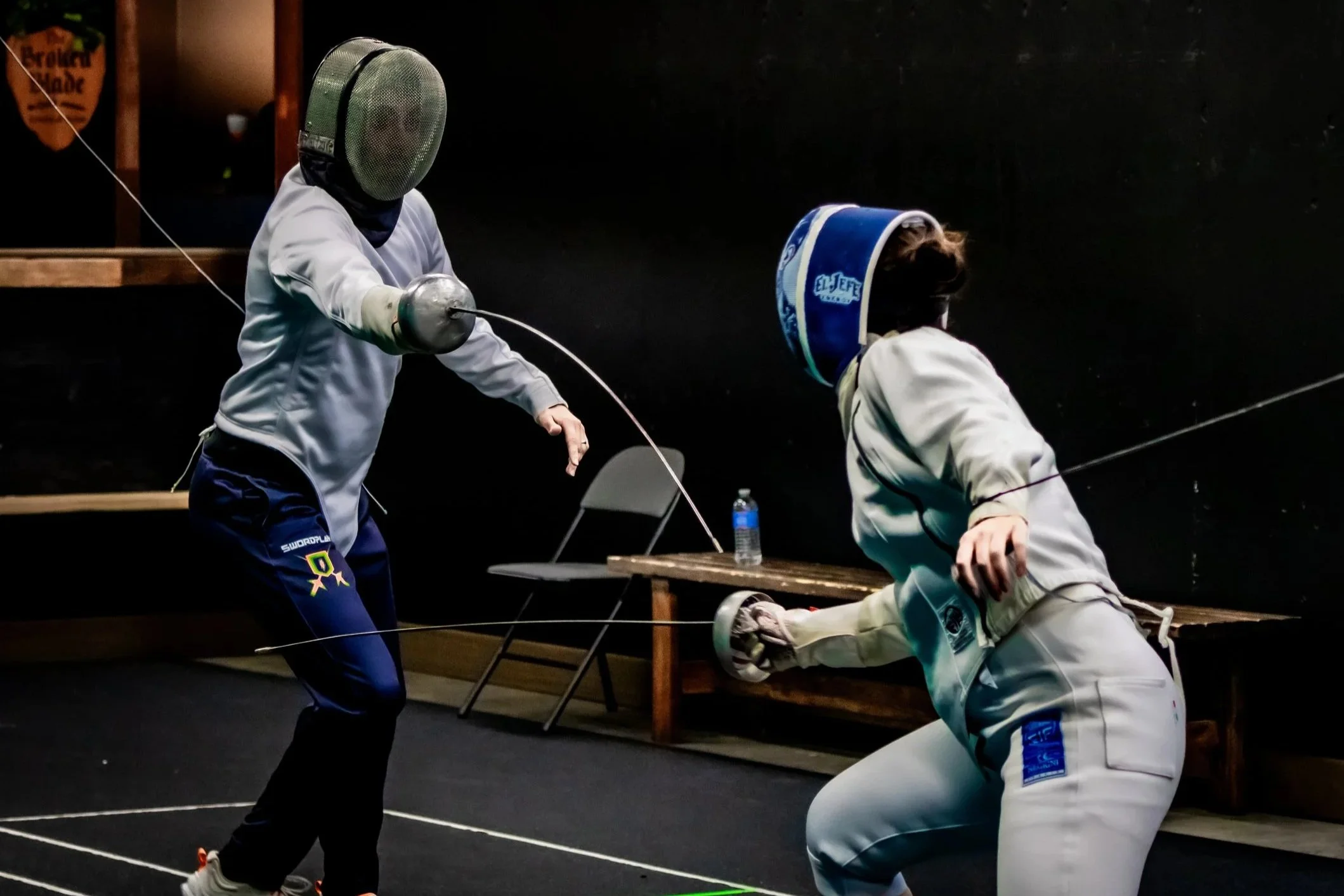
Try fencing today.
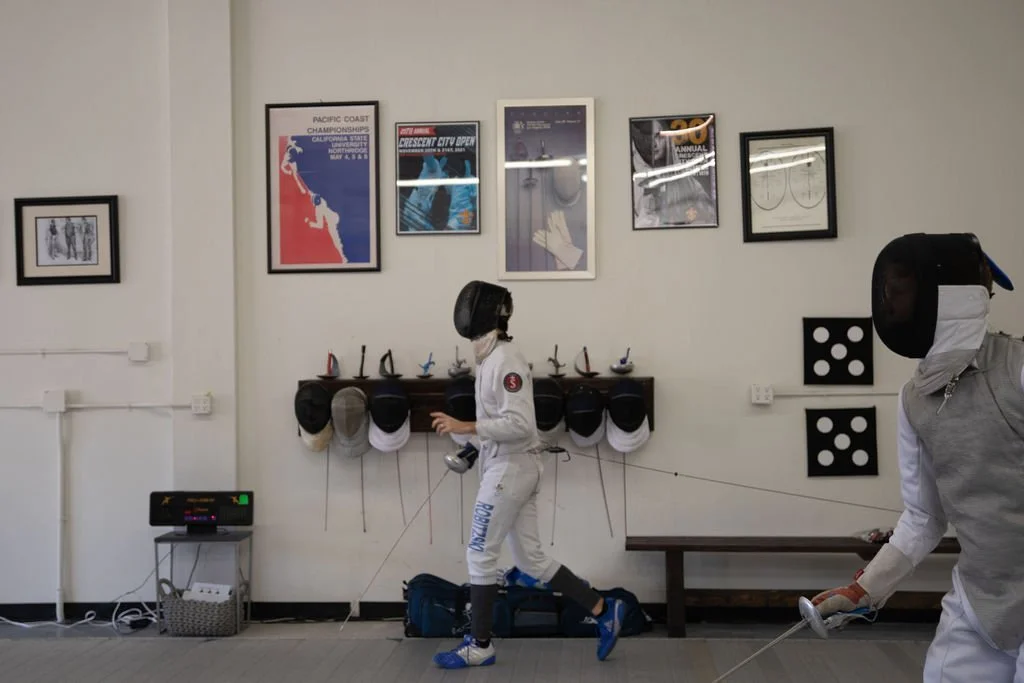
At Swordplay LA, precision training, athletic movement, and a strong community forge beginners into confident athletes.
Our Curriculum
Main Quest
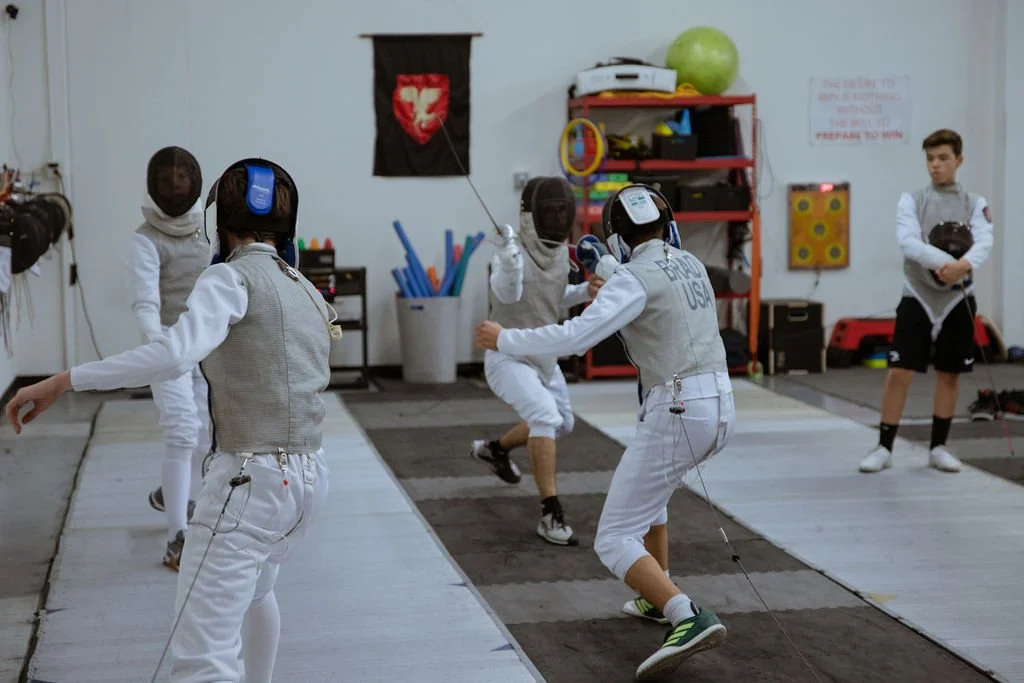
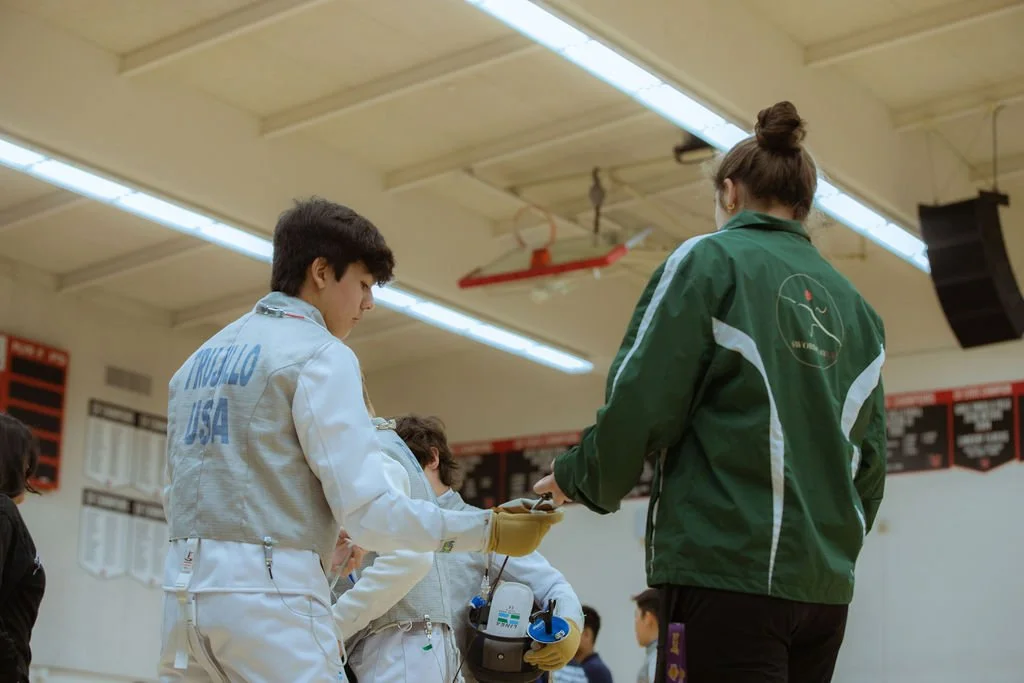
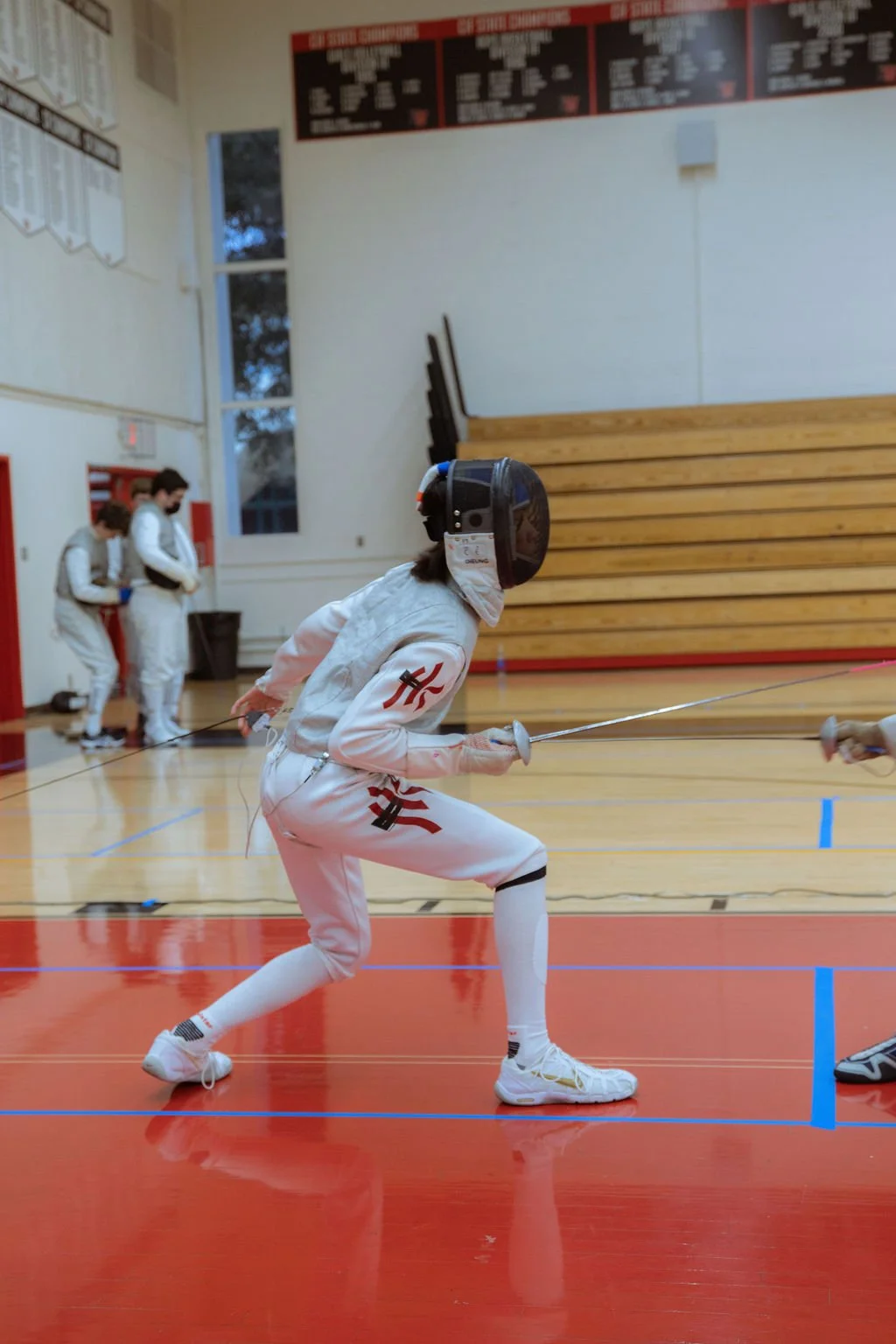
Our Fencing Program at Swordplay LA trains athletes in modern Olympic fencing with a strong emphasis on athletic movement, precision, and tactical thinking. Students develop strong fundamentals in footwork, bladework, distance control, and bout strategy while training in a structured academy environment that welcomes both beginners and experienced fencers.
Progression through the program is guided by our Level-Up Blade System, where students earn new blade ranks as they build skill, consistency, and confidence on the strip. Each level introduces more advanced technique, tactical understanding, and competitive preparation, creating a clear pathway from first touches to high-level fencing. Classes combine focused drills, coached bouts, and collaborative training, allowing fencers to grow together in a supportive, high-energy environment.
Fence your way through Swordplay LA’s main curriculum and earn all the blades.
-
A brand-new swordfighter will learn the basics of combat, from their combat stance to attack and defense. This is the start of your quest.
-

Fencers will learn basic attacks, defense and the basic parry system. students will be acclimated to the conventions and etiquette of swordplay.
-

Fencers will be introduced to fencing strategy and learn the rules of sport on a more in-depth level. Students now have the option to train competitively.
-

Fencers are introduced to advanced bladework and footwork. They also are building a foundation of fitness and attending local tournaments regularly.
-

Champions will train in situational bouting, advanced bladework, and footwork. These students compete at local, regional, and national level.
About Fencing Weapons
There are three weapons in competitive fencing: foil, sabre, epeé. Each of them differ by the shape/weight of the weapons, the targets on the body, and the scoring and pacing of bouts. For an overview of each of the weapons, check out these 1-minute crash course videos:
Foil for Beginners
Sabre for Beginners
Épeé for Beginners
What do we offer?
-
Classes
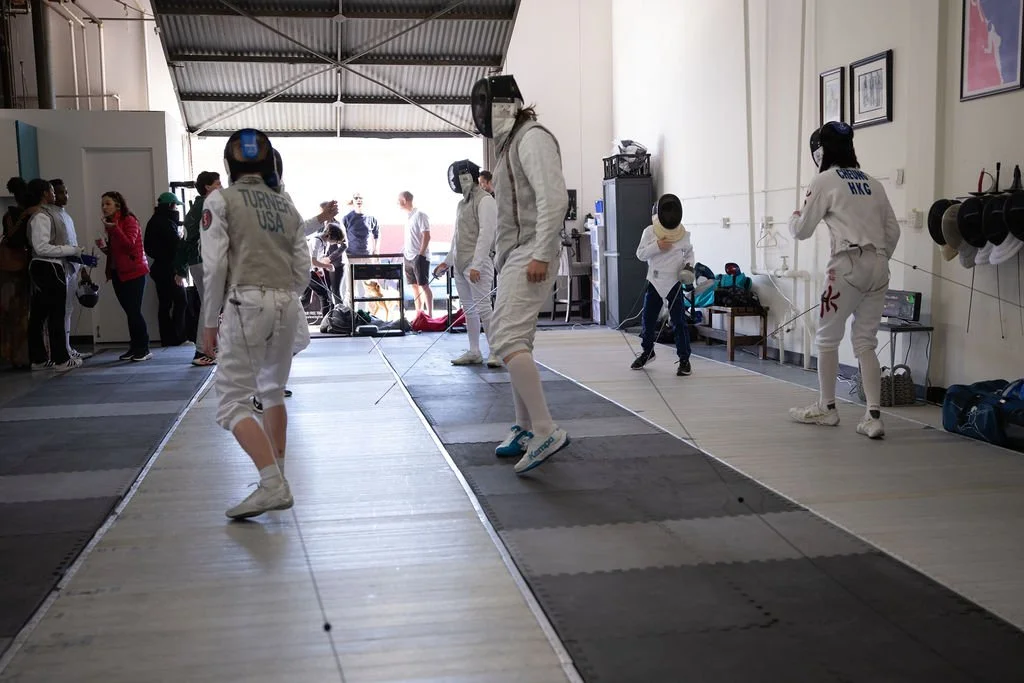
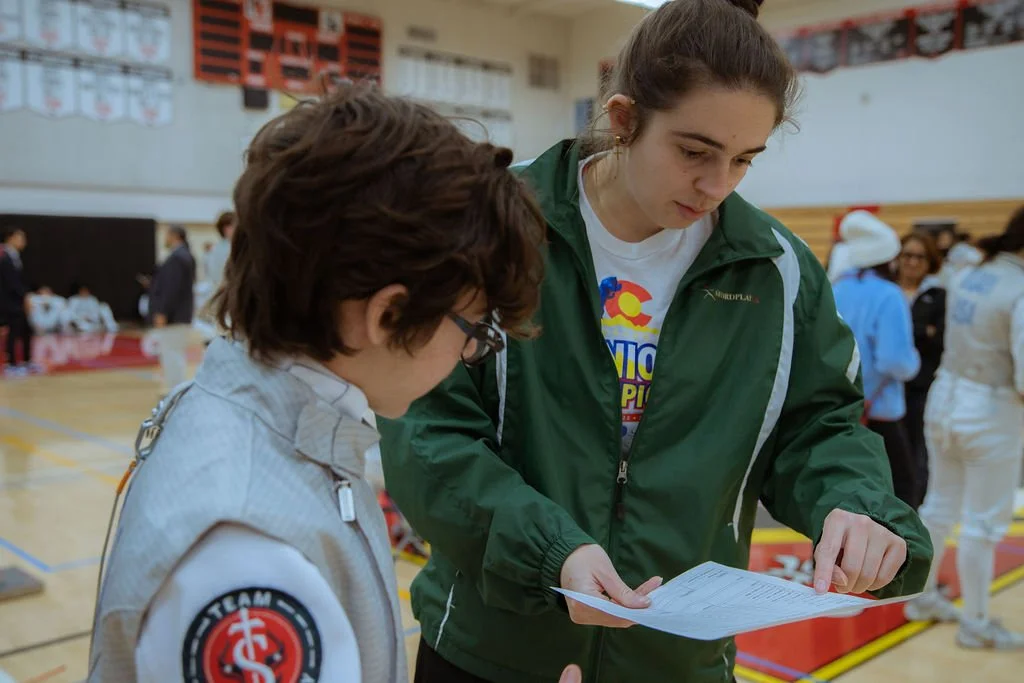
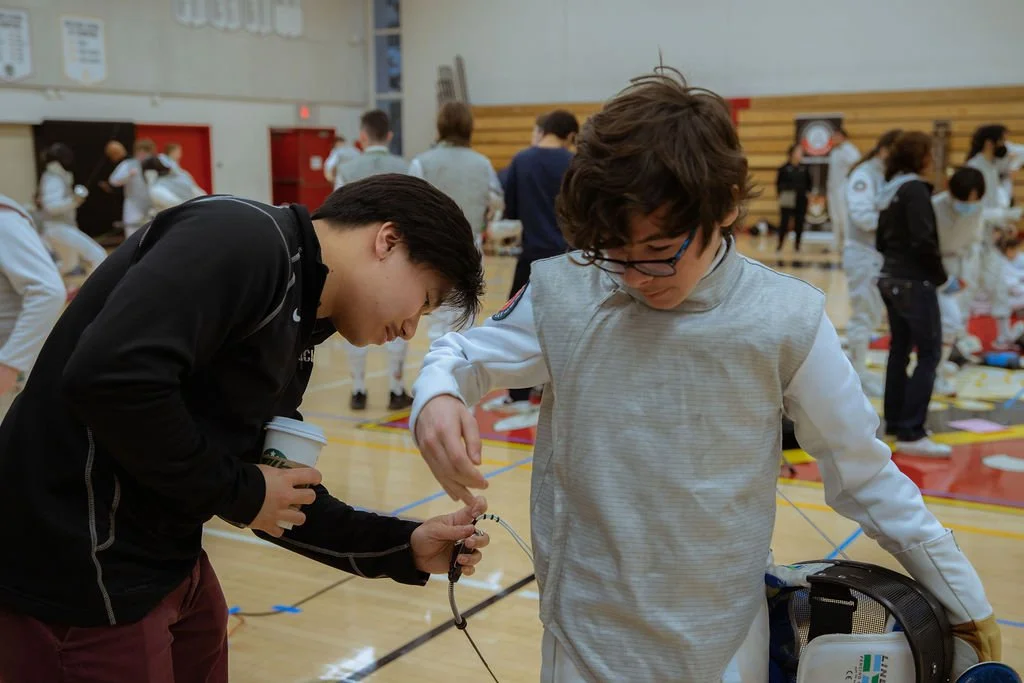
Group classes introduce fencers to the athletic fundamentals of modern fencing, building strong footwork, bladework, timing, and control in a structured training environment. Whether you’re stepping onto the strip for the first time or looking for a dynamic way to train and learn a new skill, this program provides a welcoming space to develop technique, sharpen reflexes, and enjoy the sport of fencing.
-
Advanced Classes
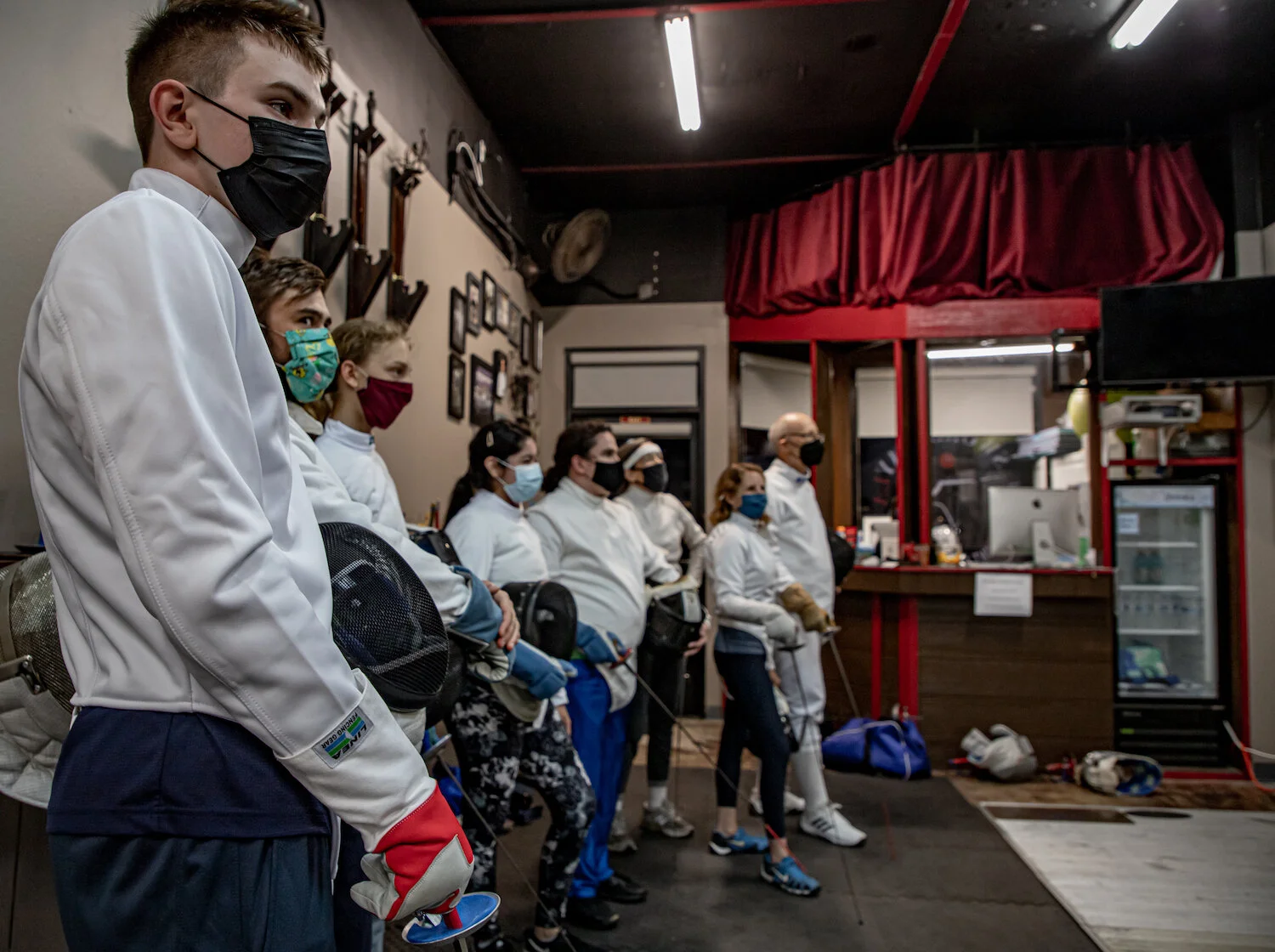
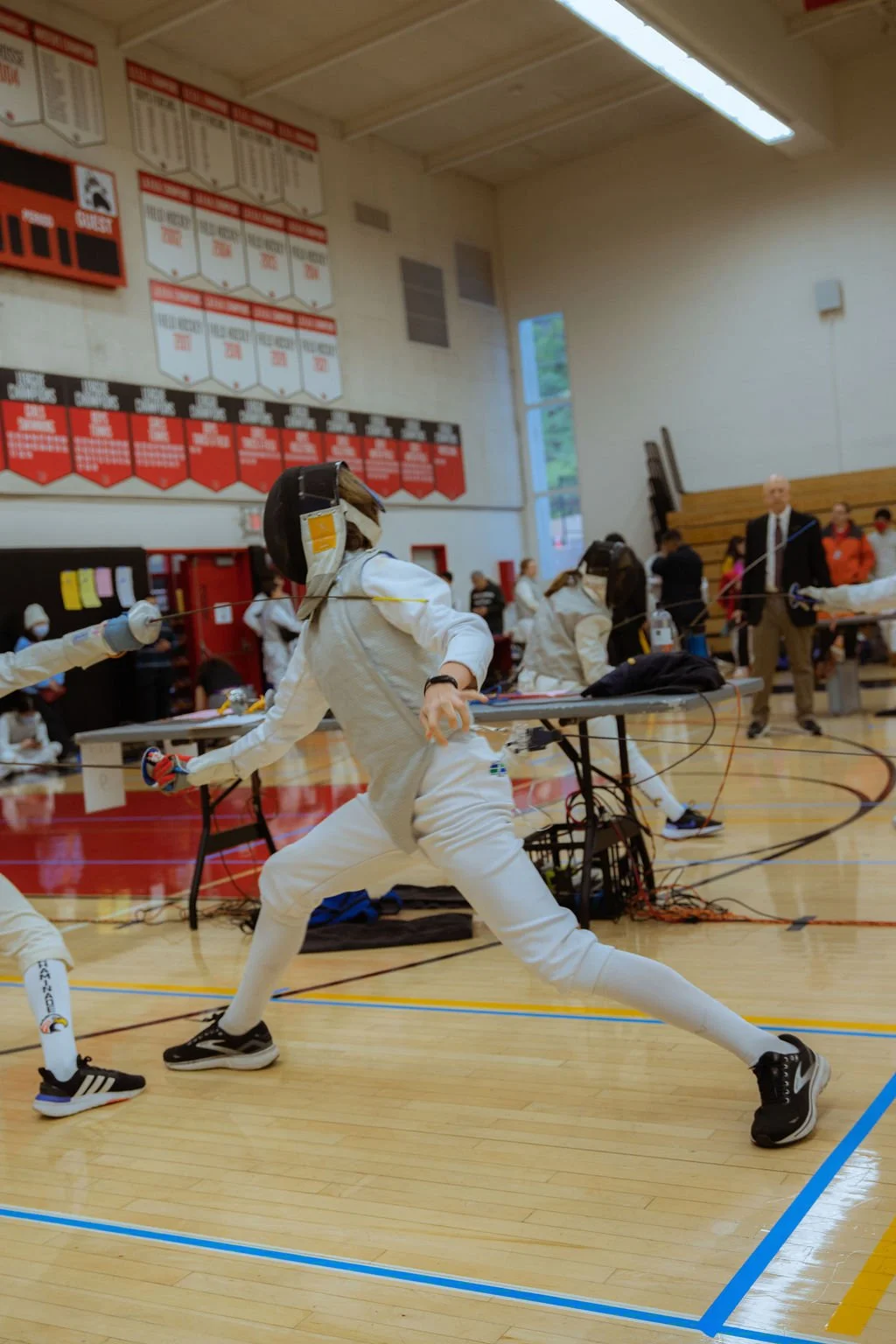
These fencing classes are ideal for fencers who have a strong grasp of the fundamentals and are looking to explore strategy and bout analysis through more challenging sparring. They are targeted towards our competitive students and students that want to go further in the sport. Students in our advanced classes are also participating in local, regional and national events.
-
Open Fencing
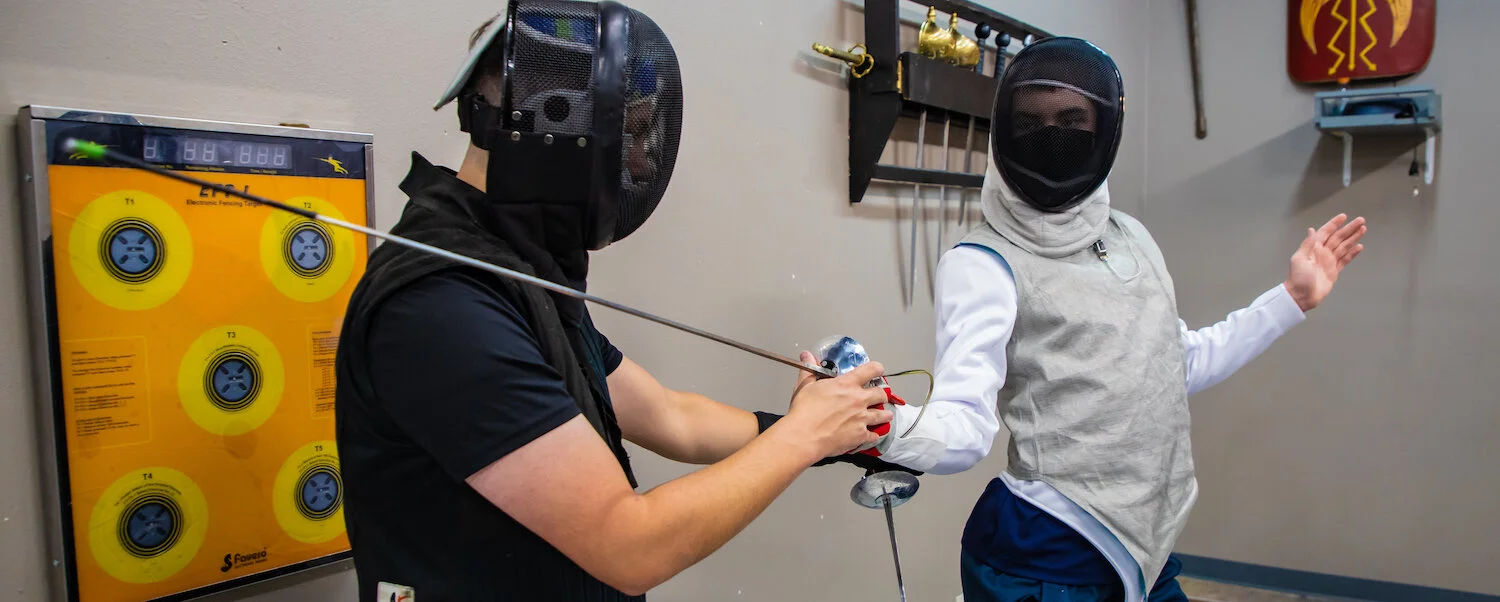
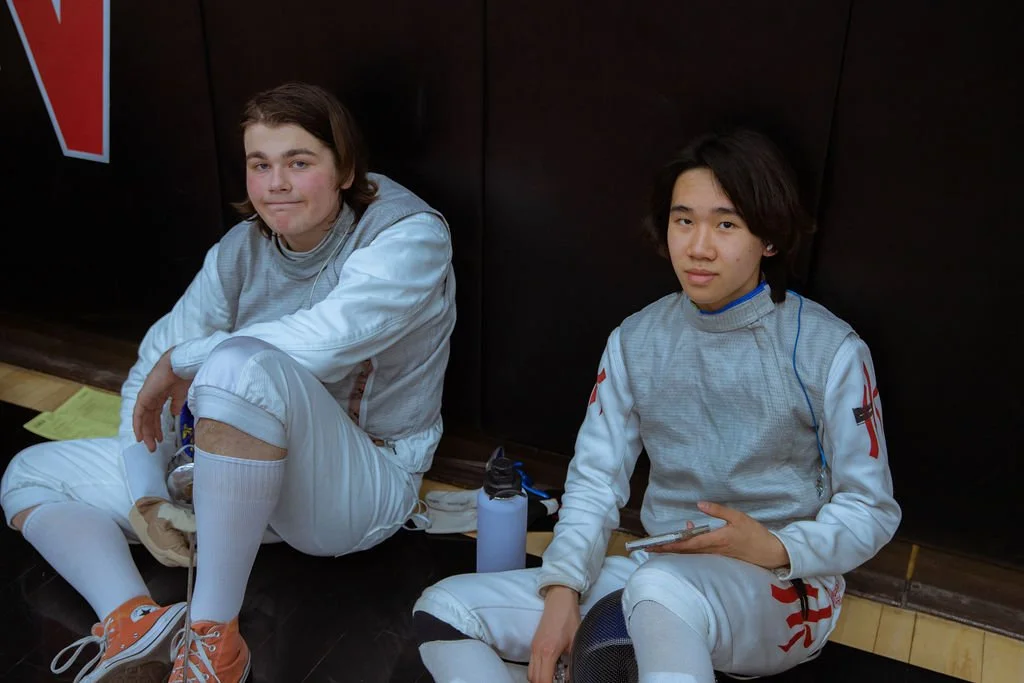
Open floor fencing is an opportunity for fencers to compete with one another in an environment outside of classes. Also perfect for a good workout or socializing and connecting with the community. Simply walk into the studio during open fencing hours and bout with anyone in attendance - coaches included.
-
Private Lessons
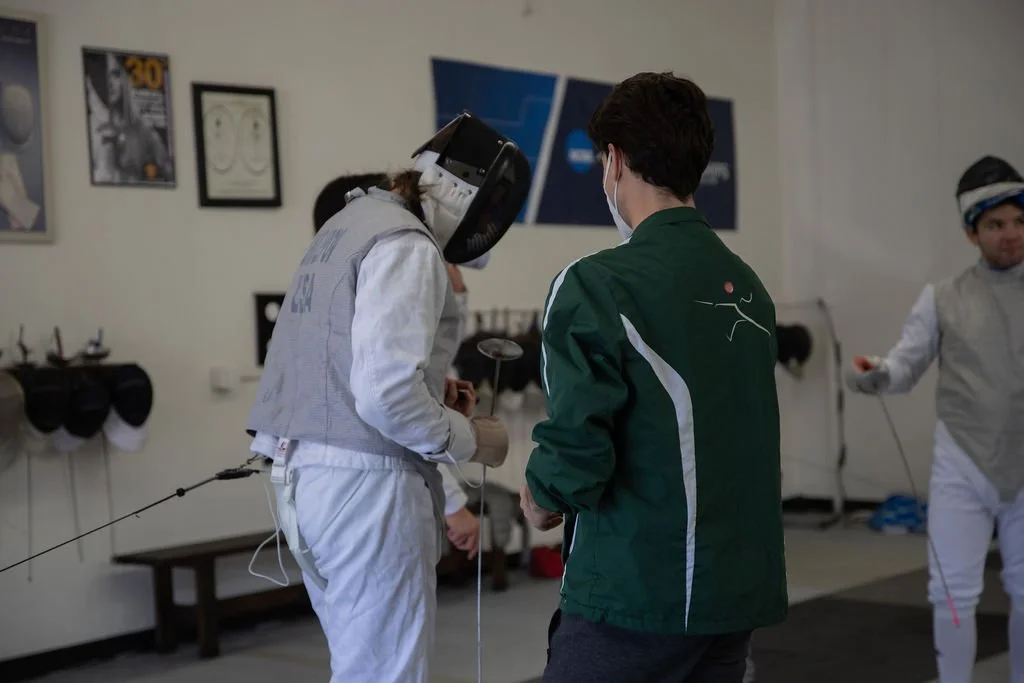
Work one-on-one with a coach to advance technique, endurance, and skill. Private lessons are catered to a student’s goals and students’ learning needs. Students looking to participate in competitive fencing are paired with our competitive coaches. Lessons can be structured in twenty, forty, or hour long sessions.
Book your class.
Walk ins are allowed but we do recommend that you register online to reserve your spot as spots are limited!
Meet Your Coaches
-
![A young woman with dark hair in a ponytail, wearing a black sports jacket with logos, outdoors with trees and a fence in the background.]()
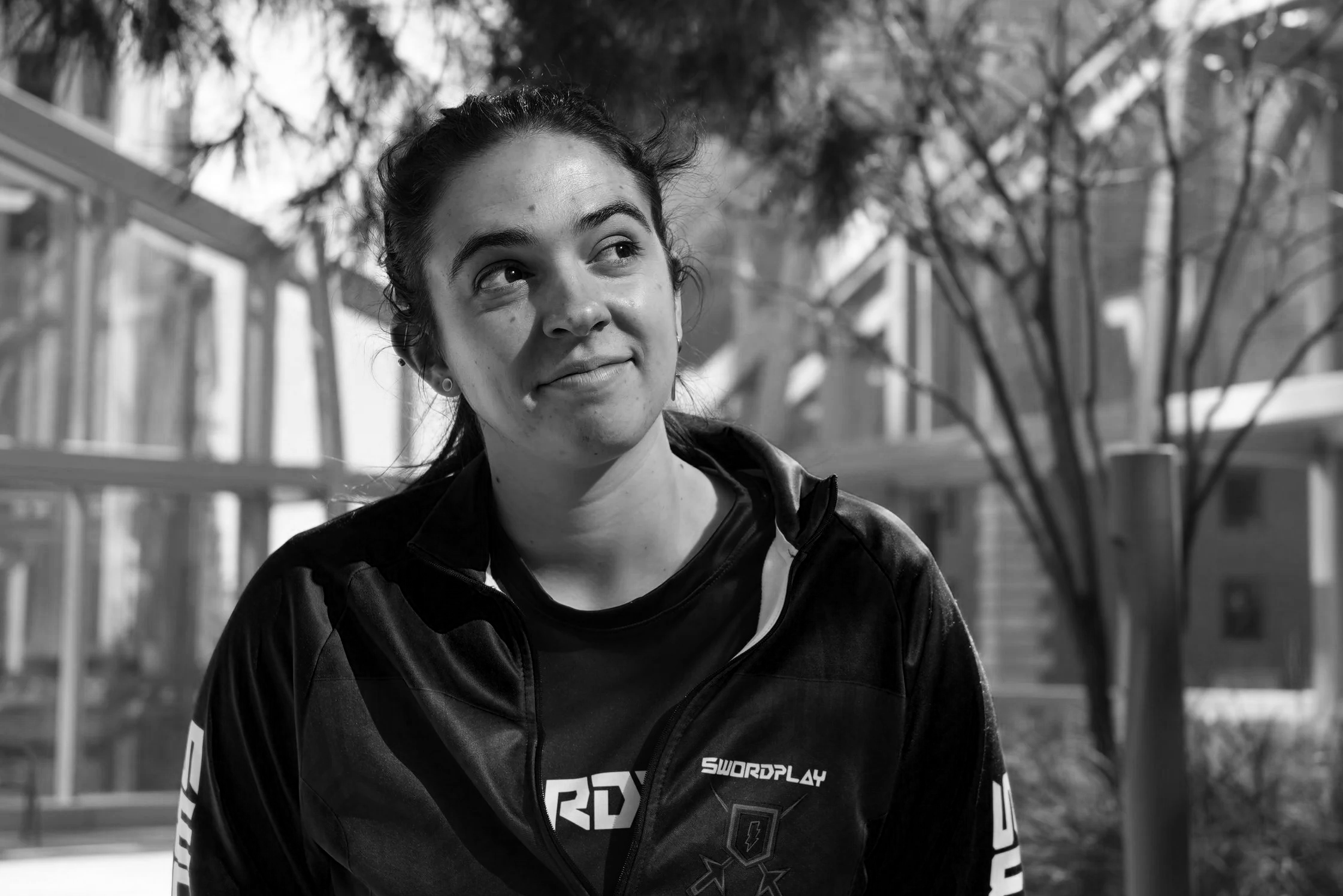
Mary Sola Spohn
Head Competitive Foil Coach (USFA Certified Coach)
Mary began her fencing career at Swordplay LA at the age of 5, when she took her first foil lesson. Her passion for the sport was immediate, and she quickly accelerated to a competitive level. When she was 9, Mary was competitive in both regional and national competitions. By the age of 10, she had collected several national medals and was ranked #5 nationally in her age group. Before she was 18, she was consistently ranked as one of the top female foil fencers in the country. Her coaches included Al Carter and Olympic foil coach, Greg Massialas.
Mary’s years of dedication to her craft and noble accomplishments earned her a scholarship to Northwestern University, one of the top Division 1 fencing programs in the country. She graduated with one Midwest Conference Championship and a Division 1 All-American Honorable Mention.
Mary is now owner of Swordplay LA and continues to inspire fencers who are looking to excel in the sport. In addition to fencing, Mary also leads the stunt fighting program at Swordplay LA.
-
![A man with dark hair and a beard, wearing a white t-shirt with a logo, is looking at another person who is partially visible and facing him. The setting appears to be indoors.]()
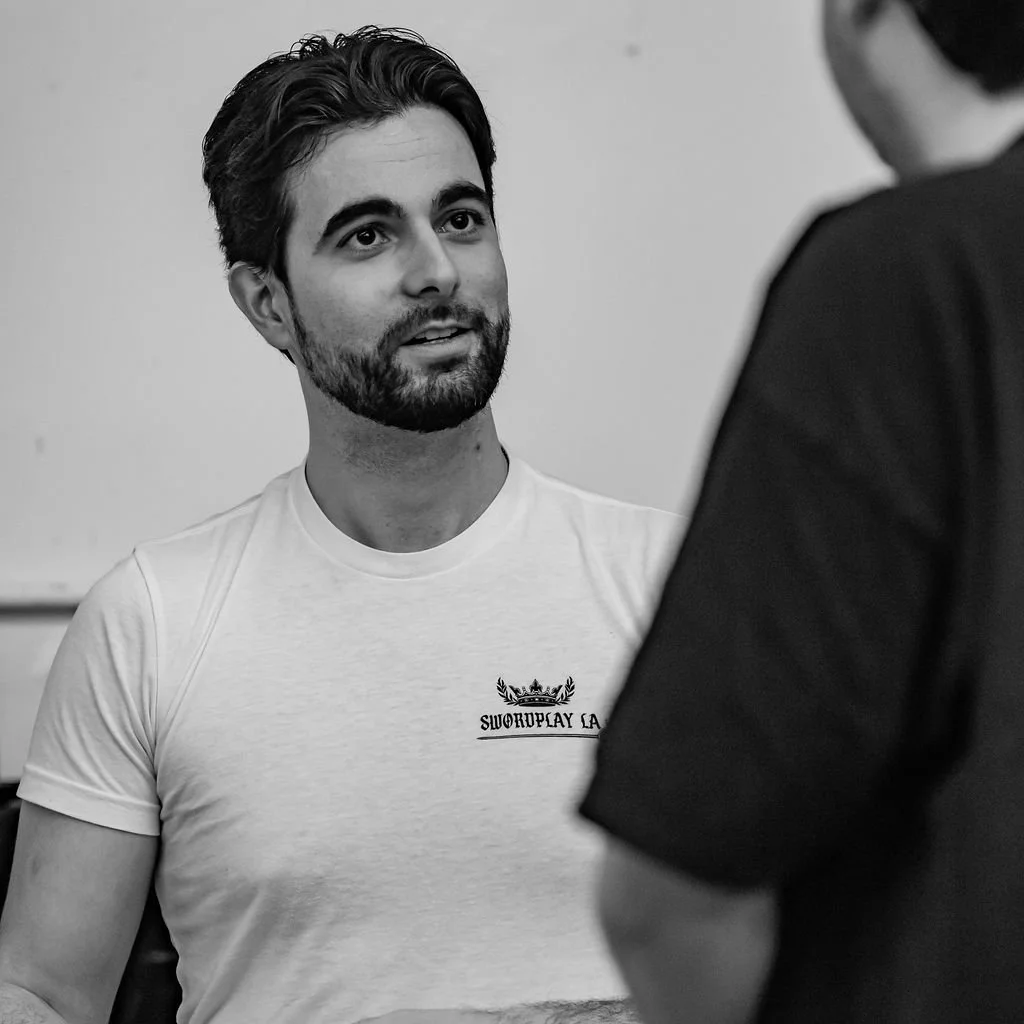
Dan Robitzski (Epee Coach)
Head Competitive Epee Coach (USFA Certified Coach & Fencing Program Manager)
Dan Robitzski is a Prévôt d’Épée certified by the United States Fencing Coaches Association (USFCA) and the International Academy of Arms (AAI). He has over 22 years of experience fencing and still competes in local, regional, and national epee tournaments. Dan began his fencing career as a foilist but in high school was switched to epee and stuck with the weapon. Since then, Dan began competing at national tournaments and started on an NCAA Division 1 team, including two years as captain (and often unofficial coach). Dan took on his first formal coaching job after he graduated college in 2015.
Dan has spent his career learning from several accomplished fencing masters from the U.S. and abroad, including a few years training as an athlete under the coach of the U.S. men’s epee national team. He teaches a blend of all their perspectives, putting together a practical epee system that trains body and mind. Dan also edits the USFCA magazine.
-
![A man with long hair and a beard is smiling while touching his chest with his right hand, wearing a black t-shirt, in an indoor setting.]()
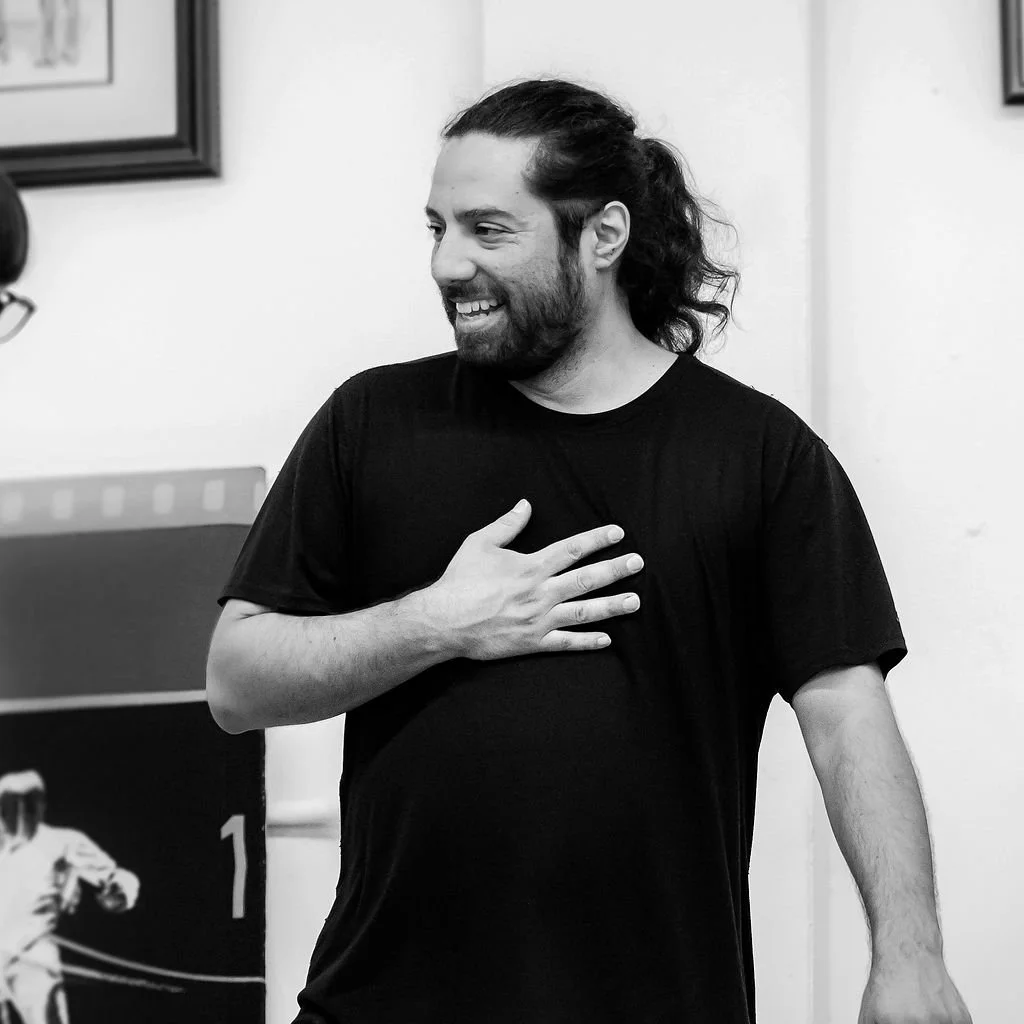
Tyler Wohlner (Foil Coach)
Tyler began fencing at Swordplay’s original location in 2006 at the age of 13. After struggling with various other conventional team sports growing up, fencing ended up being the only one that he found passion and discipline in. For about the past decade, Tyler has found immense enjoyment in instructing foil, learning from other coaches, attending competitions and helping students of all ages reach their potential. Being a coach at Swordplay continues to be one of the most rewarding and fun experiences in his life.
His goal as a coach is to help every individual identify their strengths and the tools to express their personality in the world of fencing. He believe everyone possesses the ability to form a connection between mind and body, and the chance to realize their own confidence.
FAQs
What is your cancellation policy?
If a student does not pay for a session in advance and cancels their reservation less than 24 hours in advance or does not attend, they will owe a cancellation fee. If they did pay in advance and cancel less than 24 hours in advance or does not attend, they will forfeit a lesson or class credit. Cancellation fee is $20.
We will waive the cancellation fee or credit forfeiture in the case of an illness or personal emergency.
What should I wear when I’m fencing?
If you wouldn’t wear it to the gym, you shouldn’t wear it when you’re fencing. In other words, fencers of any experience level should wear athletic shirts, sweats or leggings, and any sport shoe with good grip. Gym shorts are also acceptable, but the fencer wears them at the risk of minor cuts or bruises.
While competitive fencers must own a pair of fencing knickers, they are not required to wear them when practicing at Swordplay LA. But we do highly encourage wearing them if they’re new to you, if only so you can get used to fencing in them.
Do I need to buy my own fencing gear?
If you’re just starting out, you get to use all our gear for free! If you stick around after your first four sessions, you are required to purchase a glove, mask, foil, chest protector and jacket.
How much does it cost to buy my own fencing gear?
The final cost of your fencing equipment depends on what brands you choose to buy. If you plan on fencing frequently or competitively, we recommend investing in high-quality fencing gear. If you only plan on fencing once a week, you can buy equipment of average quality. Just talk to an office manager the next time you’re at the club to learn more about buying your own gear.
What does it take to fence competitively?
Practice. Practice. Practice. And lots of gear. The more you train the more comfortable you will be in a competitive setting. Competitions are for all ages and genders starting from ages 8+. You will need all of your own gear and a United States Fencing Association Competitive membership to fence which can be purchased on an annual basis. Every tournament is practice for the next.
How often should I train?
It depends on your personal goals. Those on a competitive track should be training at a higher frequency: At least two-three private lessons a week and two-three group classes, sometimes even more. If you are just fencing recreationally you have the leisure of booking private lessons and attending classes at your own pace and budget.
Should I take private lessons or classes?
The quickest way to progress is by taking private lessons and classes simultaneously. The private lessons allow you to learn new techniques to apply in classes. Classes are your time to fence with other fencers, make friends, and practice footwork.
Which weapon should I choose?
It’s all preference. No weapon is any more challenging than the other. They each have different scoring systems, pacing and target zones. Try them all and pick the one that feels most natural to you. See the videos below for a quick overview of each.
Why 20 minutes for a private lessons?
Our instructors can cover a lot of fencing in a 20 minute one-on-one lesson. We waste no time and start drilling blade work and footwork right away. We can also book in 40 minute or 60 minute increments, but we recommend starting with 20. You are guaranteed a good work out!
What should I expect in my first twenty minute free trial lesson?
We will cover your en garde stance, the basic footwork, a crash course in all three weapons, and then we will get you geared up and fencing by then end!
Do you do refunds?
There are no refunds but students can pause their memberships at any time.